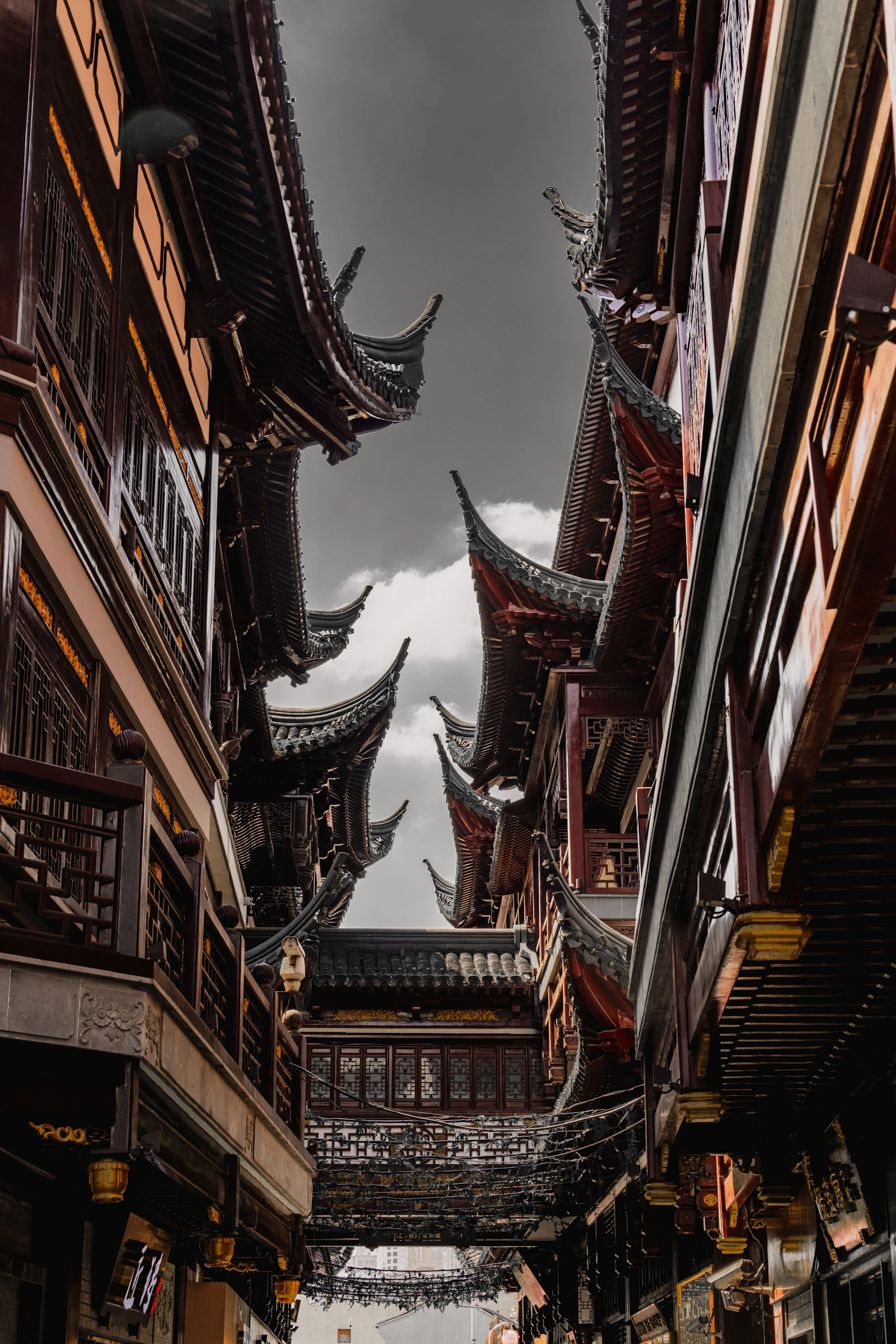
Shanghai’s lanes are often described through the soft focus of nostalgia: laundry between windows, bicycles against brick, the intimacy of doors opening directly onto shared space. But the most revealing thing about a lane is not how it remembers the past. It is how actively it still works in the present.
This is where private life negotiates with public space. A threshold becomes a kitchen, a path becomes a conversation, and a neighbourhood continually adjusts itself around who is there and what the day requires.
The city as a system.
To read a lane only as architecture is to miss half of it. Its real structure is social: routines repeated across years, informal agreements about space, and a density that makes distance—and indifference—difficult.
That density can be uncomfortable. It can also create forms of practical knowledge that are almost invisible to an outsider: who receives a parcel, who notices an empty chair, which doorway catches the late light, and when the street belongs to breakfast rather than traffic.
The lane is not a preserved scene. It is a living negotiation.
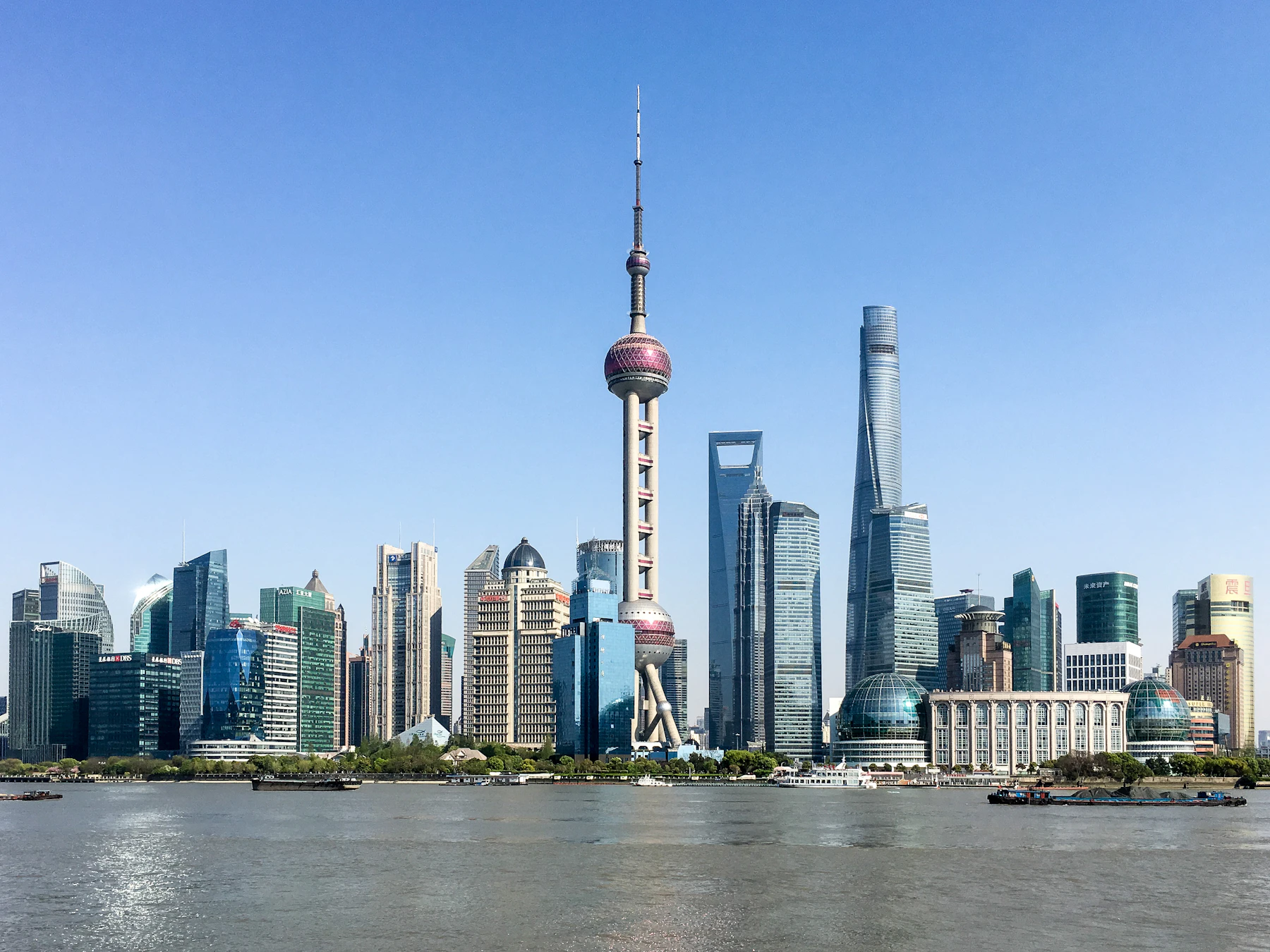
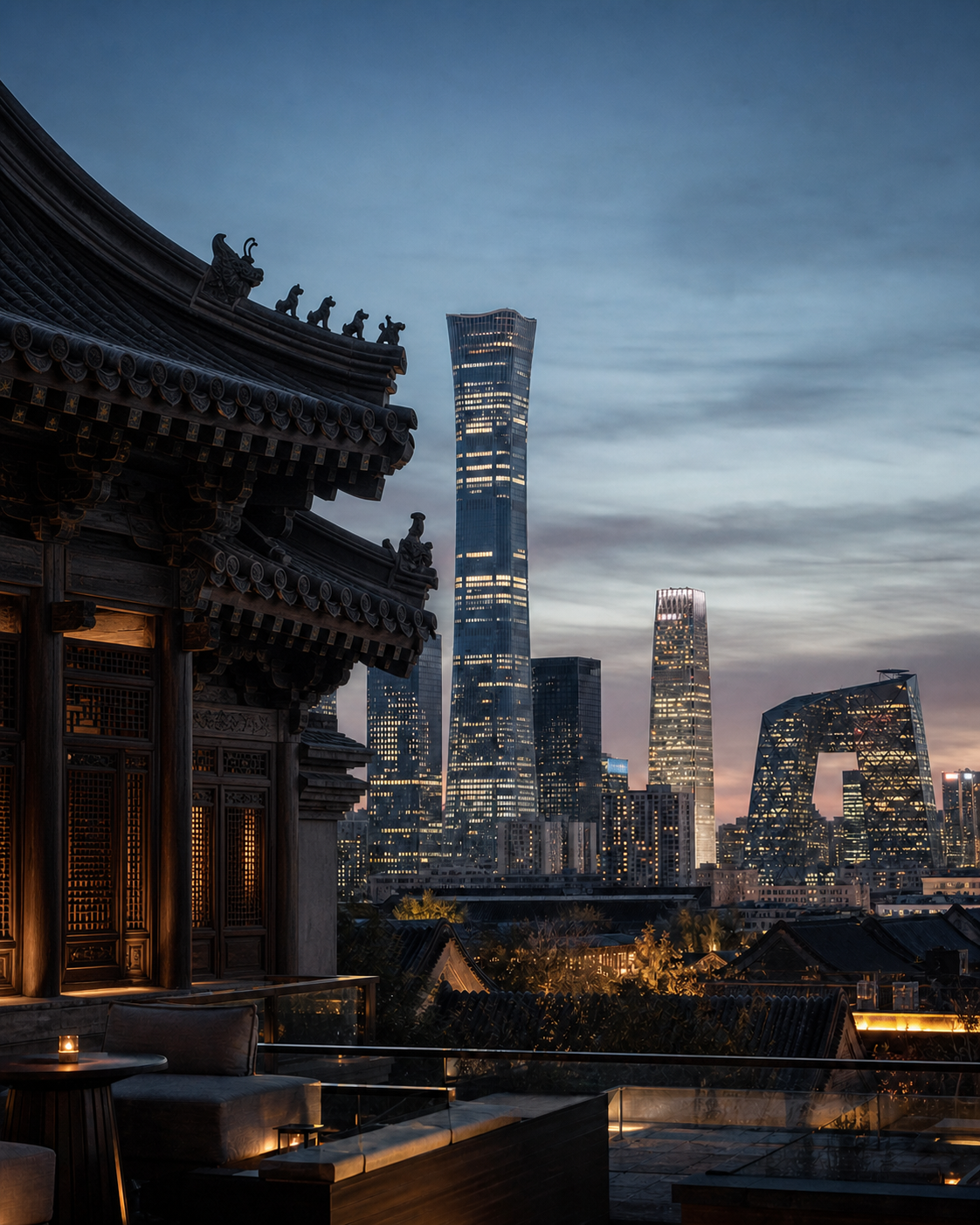
The contemporary city does not sit outside this world. Towers rise behind tiled roofs; new cafés occupy former workshops; delivery riders cross paths with residents who have used the same doorway for forty years. Revision is not an event here. It is the daily condition.
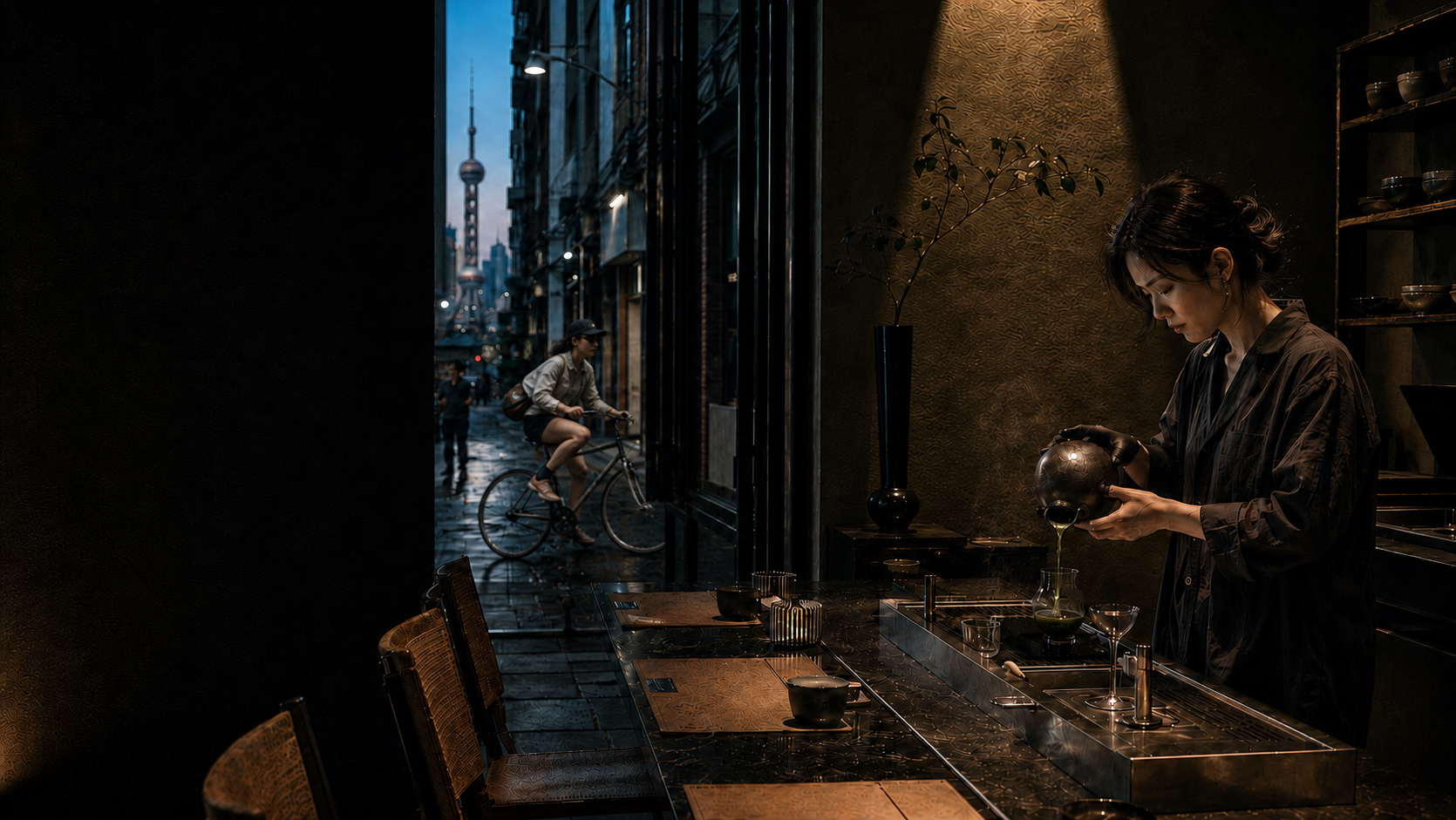
Memory without preservation glass.
There is a temptation to treat surviving urban texture as something that must remain visually unchanged. Yet a city becomes meaningful because people keep using it—not because every surface remains fixed.
The more useful question is not whether change should stop, but what kinds of change allow memory, access and everyday function to continue together. The answer differs from one block to the next. That is precisely why the lane deserves to be read at walking pace.
What this changes when you visit.
A meaningful encounter with these neighbourhoods does not begin with a checklist of photogenic streets. It begins with context: understanding what you are looking at, recognising which spaces are genuinely public, and knowing when observation should give way to respect.
For LINKCITY, this changes how a journey is designed. We move slowly, work with people who understand the neighbourhood from within, and connect the visible city to the forces shaping its next chapter.